Rogue Fitness: what the brand actually makes and why it matters for serious training
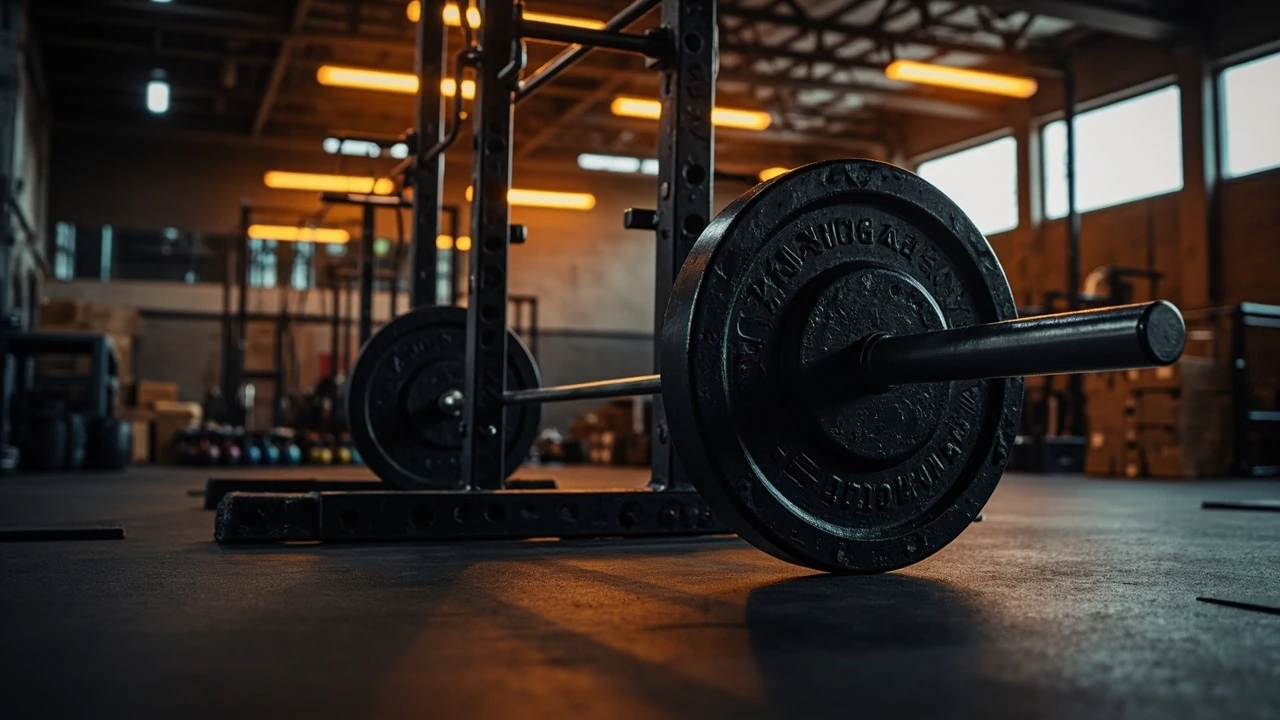
A garage lifter in Ohio, a college strength room in Texas, and a CrossFit affiliate in Stockholm are all likely training inside the same ecosystem: a black powder-coated rack, a 20-kilogram barbell with a knurled shaft, calibrated steel plates, and a wall-mounted rig that looks like it was welded into the building. That ecosystem belongs to Rogue Fitness, an American manufacturer that has quietly become the default hardware supplier for the kind of strength and conditioning that gymnastics, football, hockey, and Olympic-style weightlifting depend on.
Rogue Fitness is not a fitness app, a workout program, or a supplement company. It is a manufacturing brand based in Columbus, Ohio, that builds barbells, plates, racks, rigs, benches, sleds, dumbbells, kettlebells, and a long list of accessories, most of it in the United States. For a gymnastics site the question is not whether Rogue makes a treadmill; the question is what specifically Rogue Fitness makes, how the equipment compares to the alternatives, and where it fits when a serious athlete is building a home gym, a small club, or a school strength room.
This guide focuses on the practical side of that decision. It covers the product families, the construction details that actually affect training, the price tiers, the warranty terms a buyer should read, and the ways that Rogue’s equipment is used inside gymnastics programs and other strength-heavy sports. The goal is to help a coach, parent, or athlete walk away with a clear sense of which Rogue Fitness products are worth prioritizing and which ones are nice but optional.
What Rogue Fitness actually manufactures
Rogue Fitness started in 2006 as a garage operation making pull-up bars and has grown into one of the largest independent strength equipment manufacturers in the United States. The Columbus, Ohio factory produces a large share of the core steel goods, and several lines are assembled domestically from American-made steel. The product catalog is broad, but it is not random. Almost every item falls into one of five families.
- Barbells and specialty bars: Olympic weightlifting bars, power bars, deadlift bars, squat bars, multi-purpose bars, axle bars, and technique bars, plus a growing women’s and youth line.
- Plates and loading: calibrated steel plates, competition bumper plates, training bumpers, change plates, and cast iron grip plates.
- Racks, rigs, and stands: power racks, half racks, squat stands, folding racks, monster rigs, wall rigs, and modular rig systems that scale from a garage to a 30-athlete affiliate.
- Benches and platforms: flat benches, adjustable benches, competition benches, lifting platforms, and deadlift platforms with or without bands.
- Conditioning and accessories: kettlebells, dumbbells, slam balls, medicine balls, sleds, plyo boxes, jump ropes, belts, knee sleeves, wrist wraps, and gymnastics-style parallettes and rings.
The through-line is heavy steel, welded construction, and a design language that prioritizes athletes who actually load the bar. That focus is why gymnastics clubs that want to add adult or older-athlete strength work tend to end up looking at Rogue, even if their primary apparatus is still a beam and a floor exercise mat.
Why gymnastics programs end up buying Rogue equipment
Gymnastics and strength equipment live in different worlds on the surface, but they overlap in specific places. A gymnastics club that runs optional athlete strength sessions, an Xcel or TOPS pathway, a college gymnastics program, or an older recreational gymnast who is also a multi-sport athlete will eventually need the kind of equipment Rogue makes. The reasons are practical.
| Gymnastics context | Why Rogue Fitness is relevant | Typical Rogue products used |
|---|---|---|
| Optional strength sessions for Level 4+ gymnasts | Controlled loading for squats, presses, and pulls with a stable rack and knurled bar | RM-4 or R-3 power rack, Ohio Power Bar, calibrated steel plates |
| TOPS testing and physical preparation | Consistent bar performance and reliable plate weights for testing | Olympic WL bar, calibrated steel plates, competition bumpers |
| Multi-sport athletes who play football or hockey | Heavy compounds, sled work, and trap-bar pulls that mirror a sport strength program | Monster rack, trap bar, dog sled, bumper plates, plyo boxes |
| Coach and parent home gym | Durable gear that survives years of unsupervised use and occasional misuse | HR-2 half rack, Ohio bar, flat bench, cast iron plates |
| Small club or affiliate with a side strength space | Modular rigs that scale up as membership grows | Monster Lite rig, Infinity series rigs, wall-mounted pull-up stations |
The same logic explains why Rogue Fitness shows up next to beam drills and bar grips in the same training plan. A gymnast who can hold a handstand on a parallette pair is also someone who will eventually benefit from a heavy front squat, and that front squat needs a bar and a rack that will not move when the bar slams into the safeties.
Reading the Rogue barbell lineup
Barbells are usually the first product buyers research, and Rogue makes more bar variations than most people realize. Choosing between them is less about brand loyalty and more about which sport the bar is going to be used for. The differences live in three variables: tensile strength, knurl pattern, and sleeve spin.
- Tensile strength: how much the bar can be loaded before it permanently bends. Entry Rogue bars are rated around 165,000 PSI; the top-end Bella Bar 2.0 and Ohio Power Bar move up to 205,000 PSI. For a gymnastics club or school room, anything above 190,000 PSI is more than enough.
- Knurl pattern: the texture cut into the shaft. A passive knurl is easier on the hands of a younger athlete; an aggressive knurl gives a stronger grip for deadlifts and pulls but can tear up soft hands over many reps.
- Sleeve spin: the rate at which the sleeves rotate. A weightlifting bar spins faster because the lift requires the bar to rotate over the head; a power bar has slower sleeves because powerlifting lifts do not require rotation.
For most gymnastics settings, an Ohio Power Bar or a Rogue Echo bar covers daily pressing, squatting, and pulling. If the program includes Olympic lifts, an Ohio Weightlifting Bar with a 28.5 millimeter shaft and fast spin is the right call. For youth and pre-teen athletes, a 15-kilogram Rogue Echo with a 25 millimeter shaft and a milder knurl is a better fit because the bar diameter matches smaller hands. For broader context, the Rogue overview provides a concise reference for this section.
How the rack systems compare
Rogue’s rack range is where the brand spends most of its engineering effort. The choice between a power rack, half rack, squat stand, or full rig is the single biggest decision for a home or club buyer, and it sets the ceiling on what an athlete can do inside the space.
| Rogue rack family | Footprint | Best fit | Key tradeoff |
|---|---|---|---|
| HR-2 half rack | Compact, single-athlete | Home garage or small strength corner in a club | No cross-members for pull-ups unless you add them |
| R-3 power rack | Mid-size, full enclosure | Dedicated home gym or small team room | More uprights, more weight, more cost |
| RM-4 rack with monolith | Larger enclosure, 1,000 lb rated | Club strength room or affiliate | Heavier to ship and assemble |
| Monster Lite rig | Modular, scalable | Growing affiliate or school weight room | Longer planning for layout and attachments |
| Monster rig | Heavy-duty, multi-athlete | Large affiliate, college, or performance center | Highest cost, requires anchoring and good flooring |
For a gymnastics club that wants a single rack to support both adult members and older youth athletes, the R-3 or RM-4 line is the most flexible. For a home gym, the HR-2 with optional pull-up bar and pin pipe attachments covers the vast majority of needs. A full Monster rig only makes sense when a facility is hosting multiple athletes at once and needs the cross-members for ring work, monkey bars, and team-style circuits.
Plates, bumpers, and why the loading side matters
A bar is only as useful as the plates on it. Rogue Fitness sells several plate families and the differences between them are not just cosmetic. A buyer who chooses the wrong plate ends up with a bar that feels unstable, a noisy floor, or a calibration problem that throws off athlete testing.
- Calibrated steel plates: 20-kilogram plates that are accurate to within 10 grams and sit in a tight tolerance band. They are the standard for powerlifting federations, college strength rooms, and any program that records exact numbers for testing.
- Competition bumper plates: colored IWF-style bumpers designed to be dropped from overhead. The 10 and 15 kilogram plates are larger in diameter, which is required for the bar to reach the correct height in Olympic lifts.
- Training bumpers: lower-cost black bumpers that handle drops but have wider weight tolerances. They are ideal for general-purpose use and high-rep metcons where exact weight does not need to be measured to the gram.
- Change plates and fractional plates: small 0.5, 1, and 2.5 kilogram plates used to progress athletes in small jumps. They are essential for any program that trains beginners or for progression schemes on the main lifts.
- Cast iron grip plates: classic plates with three or four handles. They are durable and inexpensive, but they are not designed for drops and they can damage rubber flooring if thrown.
For gymnastics-adjacent strength work, the safest combination is a pair of calibrated steel plates for measured work and a set of training bumpers for any session that includes drops or complexes. That combination keeps the bar stable during slow lifts and protects the floor when athletes dump the bar after a missed clean.
Where Rogue fits in a strength and conditioning budget
Price is one of the most common reasons athletes research Rogue Fitness, and the answer is not a single number. Rogue sits in the upper-middle tier of the American strength market. It is more expensive than entry-level Amazon brands and is competitive with, sometimes cheaper than, other American-made competitors. For a small club or a home gym, here is how the budget usually breaks down.
| Setup | What it includes | Typical use case |
|---|---|---|
| Starter home setup | HR-2 half rack, Ohio Power Bar, 230 kg of cast iron or training plates, flat bench | Parent-athlete garage gym for two lifters |
| Advanced home setup | R-3 power rack, Ohio Power Bar, calibrated steel and competition bumpers, adjustable bench, 450 kg total load | Dedicated home gym with daily strength work |
| Small club room | RM-4 or two HR-2 racks, two bars, full calibrated and bumper sets, plyo boxes, rings, kettlebells | Optional strength sessions for 8 to 15 athletes |
| Affiliate or college room | Monster Lite or Monster rig, 6 to 10 bars, 1,500+ kg of plates, full accessory kit | Daily team sessions, multiple coaches, programmed cycles |
These are typical configurations, not quotes. Shipping, taxes, and import fees change the math outside the United States, and Rogue’s freight costs on large racks are non-trivial. A useful pre-purchase step is to add the items to a Rogue cart and note the shipping estimate before committing. A buyer who skips that step is sometimes surprised that a rack costs almost as much to ship as the rack itself.
How to match Rogue gear to a gymnastics training plan
The strongest gymnastics programs use the gym as a complement, not a replacement, for skill work on the floor, beam, bars, and vault. A typical weekly plan for a Level 7+ athlete or an older multi-sport gymnast usually splits between apparatus sessions, conditioning circuits, and short strength sessions. Rogue’s catalog plugs into each of those slots in a specific way. Another relevant reference is the fitness founder bill henniger built his, which adds context without changing the practical guidance here.
- Lower-body strength: back squats, front squats, and trap-bar deadlifts on an R-3 or RM-4 rack with an Ohio Power Bar. Use calibrated steel plates for measured sets and bumpers only for complexes.
- Upper-body strength and pulling: strict presses, rows, and pull-ups on a rack with a pull-up bar attachment. For gymnasts, a fat-grip or axle bar adds grip work without extra time.
- Olympic-style work for older athletes: power cleans, snatches, and clean pulls using a Rogue weightlifting bar and competition bumpers. The fast spin protects the wrist and shoulder under heavy loads.
- Conditioning and gymnastics circuits: sled pushes, slam balls, and box jumps on a lifting platform or rubber floor. A Rogue dog sled and a set of soft plyo boxes are the workhorses here.
- Bodyweight and control work: parallettes, rings, and dip bars attached to a Monster Lite rig, which mirror the shoulder stability a gymnast needs on rings and high bar.
The right setup supports the existing gymnastics work instead of competing with it. A coach who tries to turn the strength room into the primary training environment is using the equipment in a way it was not designed for. Rogue makes tools; the program is the coach’s job.
Warranty, construction, and what to check on arrival
Warranty terms are where Rogue’s American manufacturing pays off. Most steel racks, rigs, and bars carry a limited lifetime warranty against bending or breaking under normal use. Plates, bars, and moving parts have specific terms that are spelled out on the product page. The most common pitfalls are not warranty claims, but a bad delivery.
- Inspect the barbell sleeves and knurl as soon as it arrives. Spin should be smooth, and the knurl should not have shiny spots that indicate a machining skip.
- Check the rack uprights for straightness. Place a level on the front face and confirm it reads true before loading the bar.
- Confirm that the hardware kit includes the correct number of bolts, washers, and specialty pins. A missing bolt usually means a quick call to Rogue support rather than a return.
- Keep the original packaging until the equipment has been in use for a few weeks. Returns on large racks are easier inside the original pallet.
- Document any shipping damage with photos before signing the freight receipt. The carrier, not Rogue, is responsible for transit damage, and the photos are required to file a claim.
For a club that buys in volume, an annual inspection of welds, pins, and fasteners catches small issues before they become a safety problem. The cost is a few hours; the benefit is fewer surprise failures in the middle of a session.
Common mistakes when buying Rogue Fitness equipment
Even experienced buyers make predictable mistakes when they put a Rogue cart together. Knowing them in advance saves money and time.
- Buying a bar before confirming sleeve spin. A bar that feels great in a store can be the wrong one for an athlete’s wrist mechanics. Whenever possible, try a similar bar in a commercial gym first.
- Skipping the platform. A bare concrete floor and a heavy rack shorten the life of bumpers and bother neighbors in a shared space. A proper lifting platform is not optional in most settings.
- Underestimating plate weight. A full set of calibrated plates weighs hundreds of kilograms. A floor that is not reinforced can crack, and a home doorway may not be wide enough to bring them in.
- Overbuying accessories. Many first-time buyers add belts, sleeves, jump ropes, and a wall-ball target before they have a stable rack and a single good bar. Build the foundation first, then accessorize.
- Forgetting the trainer or coach. Equipment alone does not produce results. If the budget allows, a few sessions with a qualified strength coach usually produce a better return than a fourth set of change plates.
How Rogue compares to other strength brands
Rogue is not the only American strength brand, and the right answer depends on what the buyer values. A quick comparison helps put the decision in context.
| Brand | Manufacturing base | Typical positioning | Best for |
|---|---|---|---|
| Rogue Fitness | Columbus, Ohio, plus some overseas lines | Premium American-made, broad catalog | Clubs, affiliates, and serious home gyms that want one supplier |
| Rep Fitness | Colorado, plus overseas production | Mid-priced, solid quality | Home gym buyers who want quality without the top-tier price |
| Eleiko | Sweden | Premium competition weightlifting and powerlifting | Federations, college Olympic programs, and high-end facilities |
| York Barbell | USA, long history | Classic American strength, mixed pricing | Buyers who want heritage and a wide plate catalog |
| CAP Barbell | Wide overseas production | Entry-level price | Starter or budget-limited home gyms |
For a gymnastics club, Rogue’s combination of an American factory, a strong warranty, a wide rig catalog, and a deep accessory line usually makes it the easiest single-source solution. For a federation-bound Olympic program, Eleiko’s competition pedigree is a strong argument. For a garage gym on a strict budget, Rep Fitness is a reasonable compromise.
Where to start if the budget is tight
Not every program has a four-figure equipment budget, and that is fine. A useful Rogue Fitness starter list for a club or a serious home gym is short.
- One full power rack or half rack from the HR-2 or R-3 line.
- One Ohio Power Bar or Ohio Weightlifting Bar, depending on whether the focus is strength or Olympic-style work.
- A 230 kilogram plate set mixing calibrated steel and training bumpers.
- A flat bench, either a Rogue flat utility bench or an adjustable bench.
- Two pairs of plyo boxes, a kettlebell set, and a pair of parallettes.
- Proper flooring: horse stall mats or a Rogue lifting platform, whichever fits the space and the noise tolerance.
This is the minimum that will support a year of consistent strength work. Everything else can be added later, and most of the accessories that look tempting in a marketing email are not necessary for the first twelve months of training.
Frequently asked questions
What does Rogue Fitness actually make?
Rogue Fitness manufactures strength and conditioning equipment out of Columbus, Ohio. The main product families are barbells, plates, racks, rigs, benches, platforms, conditioning tools, and a wide accessory line that includes belts, sleeves, parallettes, and rings.
Is Rogue Fitness equipment worth the price?
For a serious athlete, a club, or a school strength room, Rogue’s American-made steel products are a strong long-term value because of their construction, warranty, and resale value. For a casual buyer who only trains occasionally, the higher upfront cost is harder to justify against cheaper alternatives.
Where is Rogue Fitness manufactured?
The company’s headquarters and primary manufacturing facility are in Columbus, Ohio. Some product lines and accessories are produced through partner factories overseas, but the core rack, bar, and plate lines are made in the United States.
Which Rogue barbell should I buy first?
For general strength training, the Ohio Power Bar is the most versatile. For Olympic-style weightlifting, the Ohio Weightlifting Bar with a 28.5 millimeter shaft and fast spin is the right call. For younger athletes or smaller hands, the 15-kilogram Rogue Echo with a 25 millimeter shaft is a better fit.
Do gymnastics clubs actually use Rogue equipment?
Yes. Many gymnastics clubs, college gymnastics programs, and multi-sport training centers use Rogue racks, bars, and rigs for optional strength sessions, testing, and adult or older-athlete training, even when their main apparatus is still a beam, bars, vault, and floor.
How long does shipping take for Rogue Fitness?
In-stock items typically ship within a few business days from the Ohio warehouse, with delivery times depending on the carrier and the destination. Large freight orders on racks and rigs usually take longer because of palletizing and liftgate service, and international orders can take several weeks including customs clearance.
Can Rogue equipment be used for Olympic weightlifting?
Yes. Rogue’s Ohio Weightlifting Bar is designed to IWF specifications for the snatch and clean and jerk, and the competition bumper plates are sized to the same standard. Many clubs and affiliates use Rogue gear for daily Olympic-style training.
What is the warranty on Rogue Fitness products?
Most Rogue steel racks, rigs, and bars carry a limited lifetime warranty against bending or breaking under normal use. Plates, moving parts, and accessories have their own warranty terms listed on each product page, so it is worth reading the specific terms before ordering.
How much space do I need for a Rogue home gym?
A single power rack with a bar and a bench needs about 3 by 3 meters of clear space. A more complete setup with a platform, a pull-up area, and a small conditioning zone usually needs 4 by 5 meters or more, and any rig over 3 meters tall should be checked against local ceiling height.
Is Rogue Fitness the same company as CrossFit?
No. Rogue Fitness is an independent equipment manufacturer, although it has a long commercial relationship with CrossFit and supplied the competition gear for the CrossFit Games for many years. The two organizations are separate companies with different leadership and ownership.
Once the foundation of rack, bar, plates, and platform is in place, the rest of the Rogue Fitness catalog becomes a menu rather than a problem. Add the equipment that matches the program, not the equipment that looks good in a marketing photo, and the gear will quietly do its job for years.