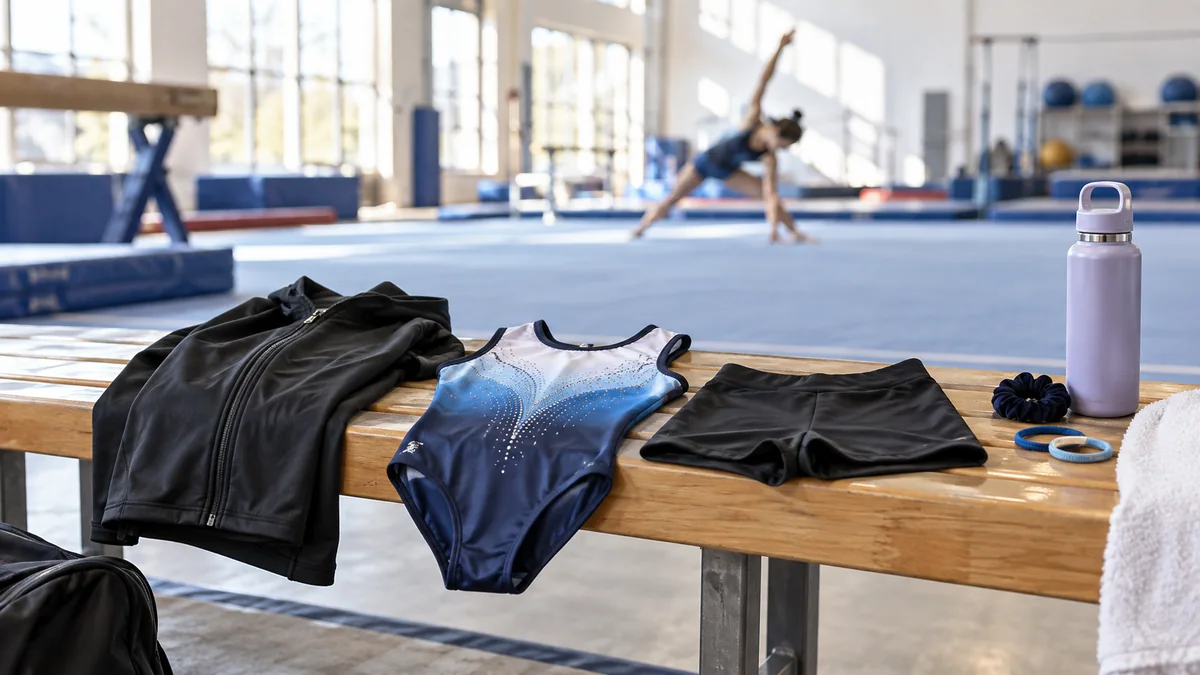
What to wear to gymnastics class
The first thing a new gymnast usually notices is that the dress code feels different from any other sport. A friend shows up in a leotard, another child is in a fitted T-shirt and shorts, and a parent quietly wonders whether the long-sleeve shirt they grabbed from the drawer will be a problem. Figuring out what to wear to gymnastics class is less about fashion and more about safety, comfort, and the coach’s ability to see how a child’s body is moving during skills like cartwheels, rolls, and beam work.
This guide walks through the practical choices that matter for a first class, a trial class, or the first few months of training. It covers fabrics, fit, hair, jewelry, footwear, and a few seasonal adjustments, so a parent or adult beginner can pack a gym bag with confidence and avoid the most common mistakes that get corrected in the first five minutes of practice.
Why gymnastics has a specific dress code
Unlike most team sports, gymnastics is judged, coached, and corrected primarily by sight. A coach needs to see whether a gymnast’s hips are square, whether a shoulder is dropping on a handstand, and whether a back is arching during a bridge. Loose or bulky clothing hides those details and makes spotting harder and less safe.
The dress code also protects the athlete. Tied-back hair cannot catch on bars or mats. Removed jewelry cannot get snagged or cause skin irritation on the floor. The right footwear, or the absence of shoes, keeps feet planted on the spring floor or clean indoor surface where most classes take place.
What to wear to gymnastics class: the core rules
Most gymnastics programs, from preschool tumbling to Level 1 and 2 classes, ask for the same baseline outfit. The exact rules vary by gym, but the underlying logic is consistent across clubs, recreation centers, and competitive teams.
- Form-fitting top: a leotard, fitted athletic tank, or compression-style T-shirt that stays in place during rolls and handstands.
- Form-fitting bottoms: athletic shorts, leggings, or a matching leotard bottom that does not bunch at the hips.
- No zippers, snaps, or buckles: anything that can press into the back, scratch the floor, or catch on equipment.
- Hair secured: long hair pulled back in a bun, braid, or tight ponytail.
- No jewelry: earrings, necklaces, watches, and bracelets removed before warm-up.
- Bare feet or prescribed footwear: most classes train barefoot on spring floors and mats.
These are the same baseline rules described in the practical guide to artistic gymnastics apparatus, where seeing and spotting the body correctly is part of how skills are taught.
Leotard or shorts and a T-shirt?
For many parents, the first decision is whether to buy a leotard or to start in a T-shirt and shorts. Both are accepted in most beginner programs, but they create slightly different training experiences.
| Option | Best for | Pros | Watch out for |
|---|---|---|---|
| Classic leotard (sleeveless or long-sleeve) | Preschool, girls’ rec classes, competitive teams | Stays in place during rolls; coaches see full body line; easy to spot in group rotations | Harder bathroom breaks for young children; sizing can run small |
| Fitted tank top and athletic shorts | Boys’ rec classes, older beginners, adults in fitness-style gymnastics | Familiar fit, easy to buy, comfortable for body-changing athletes | Top can ride up during handstands; shorts can ride up on bar work |
| Compression shirt and leggings | Cold studios, strength-focused training, adult classes | Warm in winter, supportive during conditioning, hides lines if a child is self-conscious | Can run hot; check for club rules on full-length leggings |
| Bike shorts under a leotard | Transitional stages, modesty preference, recovery from skin irritation | Adds coverage without bulk; accepted at most clubs for beginner levels | Some competitions restrict visible shorts; check meet handbook |
For a child’s first class, comfort matters more than matching the team. A young gymnast who is tugging at a tight leotard is not focused on listening. A parent who is unsure can ask the gym during registration, since most clubs will spell out their exact policy for the first week.
Fabric, fit, and small details that actually matter
Once the general category is chosen, the small details are what separate an outfit that lasts a season from one that gets pulled out of the bag on day one.
- Fabric: moisture-wicking blends and four-way stretch cotton work well. Avoid stiff denim, sequined fabrics, screen-printed tees with thick graphics, or anything with a rough inside seam.
- Fit: snug but not restrictive. A gymnast should be able to raise both arms overhead without the top riding up past the ribs.
- Seams: flat or covered seams prevent skin chafing during bridge kick-overs and split work.
- Waistbands: soft elastic or fold-over bands are better than thick, hard waistbands that press into the stomach during front rolls.
- Length: shorts should not be long enough to catch the knees during cartwheels. Most coaches prefer mid-thigh or higher.
- Color: many clubs allow any solid color, while some competitive levels match team colors. Beginner classes rarely enforce a color rule.
For kids who outgrow gear every few months, a couple of well-fitted basic leotards or athletic sets in solid colors are usually enough. There is no need to invest in expensive competition wear for a recreational class.
Hair, skin, and the no-jewelry rule
Hair and jewelry rules are not optional. They exist because hair caught on a bar or a ring caught on a mat can cause a serious injury. Coaches will usually ask for a redo before a child joins the rotation if a ponytail is loose or studs are still in.
| Item | Common rule | Why it matters |
|---|---|---|
| Long hair | Pulled back in a bun, braid, or tight ponytail; bangs clipped | Keeps vision clear, prevents tangles on bars, and avoids hair in the mouth during rolls |
| Short hair | Out of the eyes, secured with a soft headband if needed | Same reason as long hair, with less length to manage |
| Earrings | Removed before class; new piercings taped only with coach approval | Risk of tearing if caught on a mat, bars, or a partner’s hand |
| Necklaces, bracelets, watches | Removed before warm-up and stored in a bag | Catching risk on apparatus, plus skin irritation from contact with the floor |
| Removed for all classes | Same catching risk; can also chip or scratch a spring floor | |
| Wristbands and hair scrunchies on the wrist | Removed during apparatus work | Can catch on bars or between fingers during handstands |
For a young child, it helps to make removing earrings part of the car routine. Storing small items in a labeled zip bag inside the gym bag keeps them from getting lost in the locker room.
Footwear and the barefoot question
Most gymnastics classes are taken barefoot. The spring floor and gymnastics mats are designed to be used without shoes, and going barefoot improves grip, balance, and toe-pointing. A few situations, however, call for shoes.
- Preschool and toddler classes: some gyms allow lightweight gymnastics slippers or non-slip socks for very young children who feel unsure on the floor.
- Cold studios: in winter, a pair of warm-up socks or gymnastics slippers can be worn on the way in and removed at the start of class.
- Pre-team and team warm-ups: team-style warm-up jackets, pants, and shoes are often used in the gym before mounting the floor, then removed for the actual training rotation.
- Trampoline and tumbling-only programs: some specialized programs use trampoline shoes or grip socks. Always follow the program’s specific instructions.
When shoes are used, they should be slip-on, with thin soles, no buckles, and no external logos that could catch. Street shoes are never worn on the spring floor, since outdoor grit can damage the surface and create a slip hazard.
Seasonal and weather-based adjustments
For parents new to the sport, this is one of the first signals that gymnastics treats the body as the central tool of the activity. Clothing exists to support movement and spotting. USA Gymnastics’ safety guidance for athletes specifically recommends close-fitting attire, tied-back hair, no jewelry, and bare feet or gymnastics shoes rather than slippery socks.
Most gymnastics gyms are climate-controlled, but the way a child dresses on the way to the gym and the way they dress inside the gym are not always the same. A winter leotard layered under a warm-up suit works well, while a summer tank with shorts suits a hot studio.
| Season | What to wear in the gym | What to layer on the way in |
|---|---|---|
| Fall or early winter | Long-sleeve leotard or fitted long-sleeve top with shorts | Zip-up warm-up jacket, sweatpants, socks |
| Cold winter | Long-sleeve leotard and bike shorts, or compression top with leggings if allowed | Heavy warm-up suit, beanie, gloves, winter coat |
| Spring | Sleeveless or short-sleeve leotard, shorts if the studio runs warm | Light hoodie, athletic pants |
| Summer | Sleeveless leotard or fitted tank, mid-thigh shorts, hair off the neck | Minimal outer layer, water bottle, sunscreen on exposed skin |
It is common for gyms to keep temperatures on the cooler side in the morning and warmer in the late afternoon because of body heat from athletes. A small gym bag with an extra layer solves most issues.
What not to wear to gymnastics class
A few items show up often in beginner bags but create problems once the warm-up starts. The list below is not about being strict; it is about preventing the most common small injuries and distractions.
- Bulky hoodies and sweatpants: they hide body lines and can catch on bars. They are fine for warm-up time and watching, not for apparatus rotations.
- Tight jeans or stiff denim: the seams restrict hip and knee movement during splits, bridges, and leaps.
- Skirts, dresses, or tunics: they ride up unpredictably during rolls and handstands and make spotting harder for coaches.
- Shirts with hoods, drawstrings, or large pockets: drawstrings can catch on bars; pockets bunch up and trap chalk.
- Socks-only training: for most skills, socks alone are slippery on the floor and unsafe on the beam.
- New competition gear before the team: a child who is still in rec classes does not need a matching warm-up or a custom competition leotard.
The same practical thinking shows up in programs that focus on meet preparation, where outfits are chosen for visibility, comfort, and consistent lines across rotations.
Special cases: boys, teens, and adult beginners
Leotards are not required in most beginner classes for boys, but the fit and layering rules still apply. A typical boys’ class outfit is a fitted athletic T-shirt tucked into mid-thigh shorts, with hair short or pulled back if it falls into the eyes. Tank tops are widely accepted, especially in warmer gyms. Compression shirts are common in older teen and pre-team groups.
Teenagers who are new to gymnastics often worry about how a leotard looks, especially in mixed-age classes. A fitted T-shirt with compression shorts or leggings solves the modesty concern without violating any training rule. As with younger athletes, the key is that a coach can see the body line and the athlete can move freely through full range of motion.
Adults taking a gymnastics fitness class or an open gym session usually train in the same kit as recreational athletes: fitted top, athletic shorts or leggings, bare feet, and hair pulled back. The dress code does not change with age; the reasons behind it stay the same.
A simple checklist for the gym bag
For a parent packing for the first month of classes, the list below covers the essentials without overspending. It assumes two to three classes per week, with a wash after every session.
- Two fitted leotards or two sets of fitted top and shorts in solid colors.
- One long-sleeve option for colder studios.
- One pair of bike shorts or compression shorts in case of wardrobe changes.
- Hair supplies: hair ties, bobby pins, scrunchies, a small comb.
- A small zip bag for jewelry and watches.
- One pair of gymnastics slippers or grip socks if the program allows them.
- A light warm-up jacket and pants for arrival and warm-up time.
- A water bottle and a small towel for chalky hands.
- A clearly labeled gym bag so shoes, warm-ups, and class clothes stay separated.
Laundry tip: chalk, sweat, and mat residue build up quickly. Washing leotards and athletic tops in cold water and air-drying them extends the life of the elastic and keeps the fabric from pilling.
What coaches wish parents knew before the first class
Most coaches have a small, predictable set of questions from new families. A little preparation makes the first class smoother and helps a child start on the right foot.
- Arrive a few minutes early. changing into class clothes, taking out jewelry, and putting hair up takes longer than families expect on the first day.
- Label everything. lost leotards and warm-ups in a busy gym usually end up in a shared lost-and-found that is rarely matched back to the owner.
- Avoid logos and slogans. many gyms prefer plain or team-branded clothing to keep the floor looking consistent and to avoid any distraction.
- Skip the underwear line. most leotards and compression shorts have built-in liners. A separate pair of regular underwear can bunch and create discomfort during rolls.
- Bring water, but not snacks. most beginner classes are short enough that a snack is not needed, and food in the training area is a sticky problem on mats and apparatus.
- Watch the class, not the screen. coaches usually prefer parents in the viewing area rather than the training floor, which helps the young athlete stay focused.
These small habits make a real difference in the first weeks, especially for shy children or kids who are still getting used to a new environment.
Where to buy the right gear without overspending
For most beginner classes, a basic leotard from a sporting goods store or a budget-friendly online retailer is more than enough. As a child progresses into team levels, club-specific warm-ups and competition leotards become more important, and the gym often provides guidance on ordering through approved vendors.
For adult beginners, the same athletic wear used for yoga, dance, or general fitness usually works for a gymnastics class. There is rarely a need to buy a special “gymnastics-only” brand until the athlete is competing.
If a child grows quickly, a small rotation of two to three outfits is more practical than a large wardrobe. A worn-in favorite that is washed after every class usually outlasts a new outfit that a child does not like wearing.
Frequently asked questions
Can my child wear a regular T-shirt and shorts to gymnastics class?
Yes, most beginner and recreation programs accept a fitted T-shirt and athletic shorts. The fit and fabric matter more than the style. Avoid loose or baggy clothing that hides body lines or catches on equipment.
Are leotards required for girls’ gymnastics classes?
Not always at the beginner level. Many gyms allow a leotard, a fitted tank, or a compression top with shorts. Team-level practices and competitions usually require a leotard, and the program will set the rule well before that point.
What kind of shorts are best for gymnastics class?
Mid-thigh athletic shorts with a soft elastic waistband work well. Compression or bike shorts are a good choice for older gymnasts. Avoid shorts with zippers, snaps, cargo pockets, or stiff denim.
Why is jewelry not allowed in gymnastics class?
Jewelry can catch on bars, mats, or another athlete’s hand and cause skin tears or more serious injuries. Watches and bracelets can also scratch the spring floor. Most gyms require all jewelry, including earrings and rings, to be removed before warm-up.
What shoes should my child wear to gymnastics class?
Most classes are taken barefoot on the spring floor and mats. Lightweight gymnastics slippers or non-slip socks are sometimes allowed in preschool classes or in cold studios. Street shoes are not worn on the training floor.
How should my child’s hair be done for gymnastics class?
Long hair should be pulled back tightly in a bun, braid, or ponytail so it does not fall in the face or catch on bars. Short hair should be kept out of the eyes with a headband or clips. Coaches usually check hair before a child joins the rotation.
What should my child wear under a leotard?
Most leotards and compression shorts are designed to be worn without regular underwear. A separate pair can bunch up during rolls and cause discomfort. Sports bras are typically allowed for older athletes; check the gym’s policy on style and color.
Can my child wear long sleeves in a hot gym?
Yes, if the program allows it. Many gyms accept long-sleeve leotards or fitted long-sleeve tops, especially in cooler studios. In warmer gyms, a sleeveless leotard or a fitted tank with shorts is more comfortable.
What if my child is between sizes for a leotard?
When in doubt, size up. A leotard that is slightly loose can still be worn for rec classes, while one that is too tight restricts movement and discourages a young athlete. Many parents keep one current size and one size up on hand during growth spurts.
Do adult gymnastics classes have the same dress code?
Yes, the same logic applies. Adults usually train in a fitted top and athletic shorts or leggings, barefoot, with hair pulled back and jewelry removed. The dress code exists to support spotting, balance, and safe movement, regardless of age.