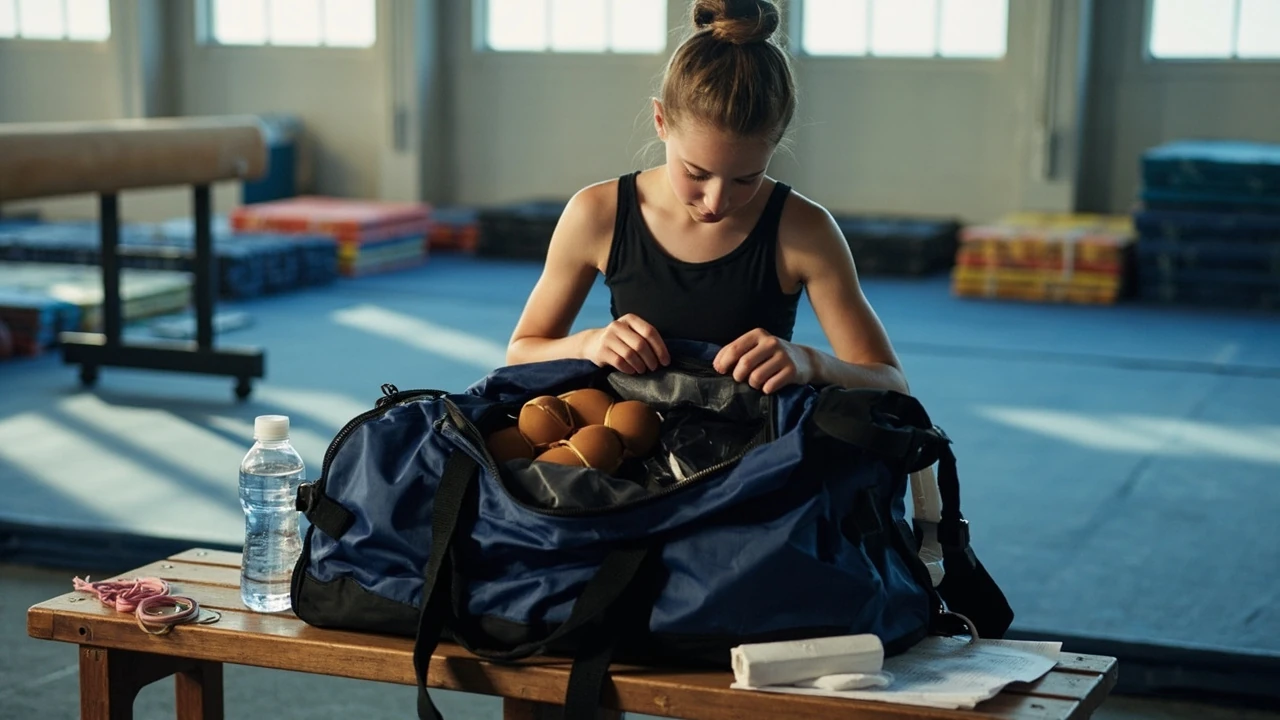
What to bring to an open gym gymnastics session
Walking into a gymnastics facility with the wrong bag creates small problems that compound fast. Open gym sessions run on tight rotations, coaches move between groups, and the floor is shared with athletes of different ages and skill levels. Showing up without the right gear usually means wasted turns, awkward pauses while you borrow equipment, or substitutions that coaches have to correct before you can train.
This packing list for what to bring to an open gym gymnastics session is built for athletes, parents of younger gymnasts, and adult recreational participants who use open gym to keep training fresh without a full team schedule. The goal is to spend the session on skills, not on logistics.
How open gym actually works
Open gym is supervised but unstructured practice time. The facility opens the floor, sets up stations on the events, and lets athletes rotate through at their own pace. Coaches are present to spot dangerous skills, reset equipment, and answer questions, but they are not running drills the way a class would.
That format has consequences for your packing list. You are responsible for the small things a team coach would normally hand you, so the right items in your bag save time for everyone in the rotation.
| Feature | Open gym | Team practice | Private lesson |
|---|---|---|---|
| Coaching intensity | Light supervision, general spotting | Structured drills and progressions | One-on-one focus on a single skill |
| Rotation | Self-directed, athletes choose events | Coach-controlled rotations | Fixed skill chosen in advance |
| Equipment provided | Apparatus and shared chalk | Apparatus, shared chalk, team grips | Apparatus, chalk, grips, mats as needed |
| Typical age range | Wide, often mixed | Single team | Any, but scheduled individually |
| Paperwork required | Waiver or sign-in each visit | Annual registration | One-time intake plus per-session booking |
Because open gym mixes ages and skill levels, the facility usually has stricter rules about hair, jewelry, and loose clothing than a private lesson would. Plan for that when you pack.
Clothing that works on the equipment
Gymnastics apparel is functional. The right outfit stays in place during handstands, does not catch on bars or rings, and lets coaches see your body line so they can correct it. A loose t-shirt that feels comfortable in the car becomes a liability when you invert on the uneven bars.
- Leotard or fitted athletic top: A snug top lets coaches check shoulder and hip alignment on cartwheels and back handsprings. Tank tops with wide armholes can ride up during a giant swing.
- Compression shorts or fitted shorts: Shorts without pockets, zippers, or drawstrings are the safest option. Loose basketball shorts catch on bar guards and shift your body mid-skill.
- Long-sleeve compression for cool gyms: Bring a fitted long-sleeve compression top if your facility runs cold. Loose hoodies are usually not allowed on the floor.
- Socks for stretch and conditioning: You will not tumble in socks on the spring floor, but you will wear them for stretching and cooldown, so pack a clean pair.
- Backup outfit in the car: Chalk dust and sweat are persistent. A dry change for the drive home keeps you comfortable after a 90-minute session.
Avoid zippers, snaps, buckles, or anything metallic on clothing near the bars. Coaches will ask you to remove outer layers for the same reason.
Hair, skin, and the small personal items
Hair management is the most forgotten detail at open gym. A low ponytail still swings into your face during a release move, and a loose bun catches on bar grips. The right style is tight, flat, and secured with the right accessories before you step on the floor.
- Hair ties that do not snap: Pack at least two extras. Spiral elastic bands hold better than coated rubber for high-friction skills like giants and releases.
- Bobby pins and a small comb: Loose strands fall into your eyes and obscure your vision on beam, especially during leaps and turns.
- Hair gel or spray bottle: Flyaways reduce grip on bar skills. A light mist or a thin layer of gel keeps stray hairs in place through a full rotation.
- Wristbands or a small towel: Sweat on the bar changes your grip immediately. A wristband is faster than running to a paper towel dispenser every ten minutes.
- Deodorant, applied after warm-up: A small stick in the bag covers a lot of social ground during a long shared session.
Skip jewelry. Stud earrings, rings, and bracelets all need to come off before you touch the equipment. Some facilities let you tape over small piercings, but most do not. Leave valuables at home or locked in the car.
Footwear, grips, and chalk
Footwear and grip choices depend on which events you plan to use. Most open gym sessions cover floor, beam, bars, and sometimes vault or trampoline. You do not need specialized shoes for floor or beam, but you do need a plan for bars.
| Event | What you wear | What you bring |
|---|---|---|
| Floor exercise | Barefoot or gymnastics footless tights | Chalk for tumbling, optional grips for tumbling passes with bar work |
| Balance beam | Barefoot | Chalk block, small towel for hands |
| Uneven bars | Barefoot | Personal dowel grips, chalk, grip stick if you use one |
| Vault | Barefoot or trampoline shoes if permitted | Chalk for hands, hair fully secured |
| Stretch and conditioning area | Athletic socks | Foam roller or lacrosse ball if you own one |
If you are new to bars, do not buy grips the day before your first open gym. Borrow from a teammate, ask the front desk if loaner grips are available, or train hand strength with coaches first. Wearing ill-fitting grips is worse than training barehanded, because the strap can pinch and the leather can twist.
Hydration, fuel, and staying sharp
An open gym session can run 60 to 120 minutes of near-continuous movement. Without water and a small snack, you will fade halfway through and your technique will slip. Coaches notice, and so do your joints and tendons.
- Water bottle, at least 750 ml: A squeeze-top or spout bottle is easier to use mid-rotation than a screw-cap. Label it so you do not lose it on the shared water station.
- Electrolyte drink for sessions over 90 minutes: Plain water works for shorter sessions, but long sessions in a warm facility deplete sodium. A diluted sports drink covers both bases without making your stomach heavy.
- Small snack 30 to 60 minutes before arrival: A banana, granola bar, or a handful of pretzels gives you fuel without sitting heavy on your stomach. Avoid fried or greasy food right before flipping.
- Recovery snack for after: Protein-rich options like a cheese stick, Greek yogurt, or a small shake help muscle recovery. Pack it in a cooler bag if your session ends at mealtime.
- Salt or electrolyte tablets if you sweat heavily: Some gymnasts lose a lot of sodium through chalk-covered hands and high-rep bar sets. Tablets dissolved in water are a simple fix.
Paperwork, payment, and identification
Many facilities require updated paperwork for open gym, especially after policy changes. If you forget the right form, you may be turned away at the door, even with a paid reservation.
- Signed waiver, current within 12 months: Most gyms update waivers annually. Check the facility’s website or your last email for the current version before you drive over.
- Proof of membership or payment confirmation: Some open gym sessions require a punch card or booking reference. Screenshot the confirmation in case cell service is weak inside the facility.
- Photo ID for adult participants: Some facilities ask for ID the first time you sign in, particularly for adult-only open gym hours.
- Emergency contact card for minors: If you are a parent sending a child, leave a written card in the bag with the child’s full name, your phone number, and any allergies or medical conditions.
- Insurance details if relevant: Coverage for gymnastics injuries varies by country and plan, but carrying a card or digital copy is a small step that pays off if a visit to urgent care is needed.
Items to leave at home or in the car
Knowing what not to bring matters as much as the packing list. Some items create safety risks, others slow you down, and a few can get you asked to leave the session.
- Jewelry and watches: Even small studs can catch on bar guards or scratch the beam. Leave them in a small pouch in the car.
- Phones on the floor: Most facilities ban phones on the spring floor for safety and privacy. Bring one for emergencies, keep it in a bag at the viewing area, and silence notifications.
- Open-toe shoes or sandals in the training area: Wear them to the door if you want, but switch into closed training shoes for travel and never walk on mats with street footwear.
- Chewing gum: A choking hazard during inversion skills. The same applies to mints, which can slip into the airway during a backward skill.
- Heavy backpacks on the floor: Bring a small drawstring bag for chalk and grips, and leave the main duffel in the lobby or a cubby.
- Glass water bottles or breakable containers: Drop one on a spring floor and you have created a hazard for every athlete in the rotation.
Packing the bag the night before
The most reliable way to show up prepared is to pack the night before and run a quick checklist in the morning. Even experienced athletes forget hair ties or leave a water bottle on the kitchen counter. A small habit of preparation turns the list above into routine rather than last-minute stress.
| Time | What to confirm |
|---|---|
| Night before | Outfit laid out, hair supplies in bag, grips and chalk packed, waiver printed or downloaded, snack staged by the door |
| 30 minutes before leaving | Water bottle filled, snack eaten, paperwork in hand, shoes on, bag zipped |
| At the facility | Sign in, store bag in designated area, walk through warm-up with coaches before the rotation starts |
If you are a parent, the night-before routine also gives you a chance to check growth spurts and gear fit. A leotard that was roomy last month may now bind at the shoulders, and grips that fit a year ago may be too small to protect the hands on a giant swing.
Safety and etiquette reminders
Open gym safety is shared. The right gear protects you, but so does respecting the rotation, listening to coaches, and avoiding skills the space cannot support. Most facilities publish a code of conduct alongside the packing list, and coaches will redirect athletes who arrive unprepared. Baseline expectations for recreational gymnastics settings mirror the USA Gymnastics women’s program guidance, which most local clubs reference when writing their own policies.
For athletes under 18, the supervising adult should walk through the rules with the child before the first session. Even experienced gymnasts benefit from a quick reminder that open gym is a privilege that depends on shared responsibility, including wiping down equipment, returning mats, and staying off the floor during reset.
A few habits go a long way:
- Wait for a clear mat: Walk onto the floor only when the previous athlete has finished and the coach has given the all-clear.
- Communicate your skill: Tell the coach or nearby athlete what you are about to run so spotters can be ready.
- Stay off your phone on the floor: Even if the facility allows it, a distracted gymnast is a hazard to themselves and to others.
- Return borrowed equipment: Loaner grips, shared chalk blocks, and spotting belts should go back to the front desk or the designated bin.
What a realistic open gym bag looks like
Most athletes at a California recreational facility use a mid-size duffel with a separate small chalk bag. The duffel holds the clothing layers, paperwork, snacks, and water, while the chalk bag stays in the athlete’s cubby for quick access. A small mesh pouch for hair supplies keeps elastics and bobby pins from disappearing into the bottom of the bag.
For parents of younger gymnasts, packing a labeled zip pouch for the child (with a name tag, emergency card, and small snack) makes the drop-off smoother. Coaches appreciate it, and the child learns to take ownership of their own kit over time.
For adult open gym participants, the bag is usually simpler: grips, chalk, water, a towel, and a change of shirt. Most adult open gym sessions run shorter than youth sessions, so the snack and paperwork load is lighter.
Frequently asked questions
Do I need to bring my own chalk to open gym?
Most facilities provide shared chalk, but supply is unpredictable during busy hours. Bringing a small block of your own ensures you can train without waiting, and it reduces waste for the gym.
Can I wear a sports bra instead of a leotard?
Yes, in most adult open gym sessions. For youth sessions, the facility usually requires a leotard or a fitted athletic top that covers the midriff. Check the dress code before you go.
Are wrist grips required for open gym bars?
No, but they are useful for athletes working giants, releases, or high-volume bar sets. Beginners are usually better off training barehanded until their coach recommends grips, and many gyms sell loaner pairs at the front desk.
What paperwork do parents need to bring for a minor?
Expect a signed liability waiver, an emergency contact form, and any medical disclosures about asthma, allergies, or previous injuries. Some facilities also require a recent physical or a coach’s clearance letter for return-to-sport after an injury.
Can I bring my own spotting block or training mat?
Usually not. Facilities prefer to manage their own equipment inventory for safety and insurance reasons. Ask the front desk in advance if you have a specialized training aid, and be ready to leave it in the car if the policy is strict.
Should I eat a full meal before open gym?
No. A light snack 30 to 60 minutes before the session is enough. Heavy meals sit in the stomach during inversion skills and increase the risk of nausea, especially during tumbling passes.
How early should I arrive for an open gym session?
Plan to arrive 10 to 15 minutes early. That window gives you time to sign in, change, walk through a warm-up, and listen to the coach’s rotation plan before the session officially starts.
Is open gym a good option for complete beginners?
It depends on the facility. Some open gyms are designed for experienced athletes who can self-direct, while others set aside beginner-friendly hours with structured supervision. Call ahead, describe your level, and ask which session fits.
What should I do if I forget something important?
Ask the front desk or a coach right away. Most gyms keep a small stash of hair ties, tape, and basic supplies for exactly this reason. They would rather lend you a hair tie than send you home.
Can I record video during open gym?
Most facilities prohibit filming on the floor to protect other athletes, especially minors. Some allow it from the parent viewing area without flash. Check the policy before you start recording.
Wrapping up the routine
Clothing that stays put, hair that does not fall into your eyes, grips and chalk for bars, water for the long rotation, and the right paperwork at the door all add up to more turns and better training. Pack the night before, run a quick check before you leave, and ask the front desk if you are unsure about a specific item. Once the routine is in place, open gym becomes the productive, low-pressure session it is meant to be.