Play It Again Sports: what the chain actually does
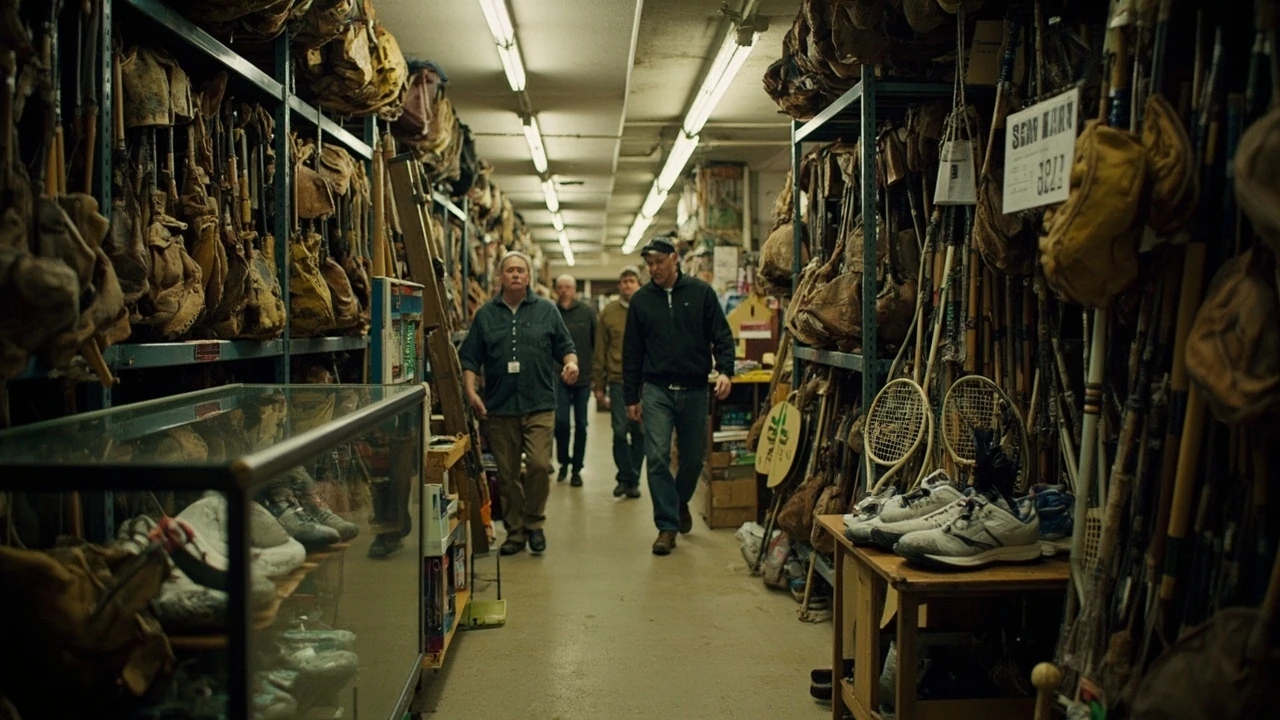
Play It Again Sports is a franchise chain of used and new sporting goods stores that buys, sells, and trades pre-owned equipment for athletes, parents, and recreation leagues. Walk into one of the storefronts on a Saturday morning and you will usually see a parent dropping off a pair of hockey skates that no longer fit, a high schooler testing a used tennis racket in the back corner, and a volunteer coach pricing a bin of soccer cleats by size. The chain sits in a specific niche: it is not a discount retailer, not a consignment boutique, and not a traditional thrift store. It is a specialty resale operation focused on sports gear, and that focus shapes everything from how it prices equipment to how it trains its staff.
For a site whose audience cares about gymnastics clubs, training, and youth sports, the chain matters because gymnastics families sit squarely in the demographic that buys and sells used sports equipment. A leotard that fits for one season, grips that are broken in for one gymnast, beam slippers that are still in good shape after a move to a new level: all of these are exactly the kind of lightly used specialty gear that the chain was built to recirculate. Understanding how the chain works also helps readers compare it to peer-to-peer marketplaces, league swap days, and used-gear sections of multi-sport retailers.
What Play It Again Sports carries on the sales floor
The mix you see in any given location is a function of two things: what the local market plays, and what the store has been able to buy. Hockey-heavy suburbs will skew toward skates, sticks, and protective gear. Soccer towns fill up with cleats, shinguards, and goalie gloves. College towns often carry more tennis, running, and cycling stock because the demographic cycles through sizes quickly. Despite that local variation, a few categories show up almost everywhere.
Used hockey equipment is the most consistent product line across the chain, because hockey gear is expensive, sized in narrow ranges, and outgrown quickly. You can usually find shoulder pads, breezers, helmets, jocks, jills, shin guards, elbow pads, and sticks at most locations. Used baseball and softball gear is the second pillar: gloves, bats, helmets, and cleats in youth and adult sizes, with baseball typically outnumbering softball. Skates of every kind appear in the inventory, including figure skates, hockey skates, and recreational inline skates.
Team sports dominate the floor, but individual sports also get shelf space. Tennis rackets, golf clubs, inline skates, and running shoes appear at most stores, with inventory turning over quickly during seasonal transitions. Some locations carry a small selection of new equipment at the front of the store, often entry-level items, basic accessories, and team-issued basics like mouthguards and practice jerseys. The mix leans toward used for the high-value, fast-sizing items, and toward new for low-cost consumables and accessories.
How the buying process works when you sell
The most concrete thing a customer interacts with at a Play It Again Sports location is the buy counter. Staff evaluate the equipment, check its condition against an internal grading standard, and make a cash or store credit offer. The offer almost always favors store credit over cash, because the chain would rather keep the transaction in its own ecosystem, and because store credit helps the seller return to spend on the next size up.
The first question staff ask is whether the seller wants cash or trade. Cash payouts are real and immediate, but they are typically lower than the store credit value of the same gear. The spread is the store’s way of rewarding in-house loyalty and covering the cost of processing, tagging, and merchandising used inventory. If you bring in a $120 baseball glove in good condition, for example, you might see a $25 cash offer and a $40 store credit offer. Those exact numbers vary by location, season, and inventory needs, but the ratio is consistent.
Condition matters more than brand when the chain prices equipment. A premium brand in worn-out condition is worth less than a basic brand in clean condition, because resale value depends on what a buyer is willing to trust. Staff check for cracks, broken stitching, rust, mold, and odor, and they grade based on how much life the gear appears to have left. Items that are clean, complete, and current with safety standards get the strongest offers. Items that are missing parts, smell of mildew, or fail a current safety standard may be declined outright.
How pricing and trade-in value are actually set
Play It Again Sports stores use a combination of category-based pricing guides, local demand, and an inventory system that tracks how long a particular item type has been on the floor. The base pricing is set so that the store can pay a seller, mark the item up enough to cover operations, and still land the item at a price that will move within a reasonable window. Most stores aim to turn used inventory within 60 to 90 days, which means stale items get marked down.
A useful way to think about the spread between buy and sell prices is to look at the categories where the chain has the highest volume. Hockey skates, for example, are bought at a fraction of their new retail price and sold well below new, but the absolute dollar spread on a $400 pair of skates is much larger than on a $30 mouthguard. Stores know this, and they manage inventory accordingly. If a store has too many senior hockey sticks and not enough junior sticks, the trade-in offer on a senior stick will drop and the offer on a junior stick will rise.
| Equipment category | Typical buy-side factors | What reduces the offer |
|---|---|---|
| Hockey skates | Size, blade condition, boot structure, age of model | Cracked boots, rusted blades, broken eyelets, mold |
| Baseball gloves | Leather condition, webbing integrity, brand | Dry rot, broken lacing, deep stains, missing padding |
| Hockey sticks | Flex, length, pattern, blade condition | Cracked shafts, taped grips, severe dents |
| Figure skates | Boot support, blade sharpness, ankle condition | Soft boots, nicked blades, separated soles |
| Tennis rackets | Frame straightness, string condition, grip | Cracked frames, dead strings, worn butt caps |
| Running shoes | Mileage, upper condition, outsole wear | Severe outsole wear, separated soles, odor |
| Soccer cleats | Stud condition, upper integrity, fit | Torn uppers, missing studs, water damage |
The table above shows what a buyer is generally looking for. Specific dollar offers vary, but the pattern is stable: condition, completeness, and current demand drive the number, not brand prestige. If you want to maximize the offer, the practical move is to clean the gear before bringing it in, bring any original accessories that came with the item, and ask the buyer what condition issues are pulling the number down so you can correct them if possible. For broader context, the Play overview provides a concise reference for this section.
Why a gymnastics family specifically should know the chain
Gymnastics is a sport where the equipment is specialized, expensive, and outgrown on a timeline measured in months rather than years. A competitive leotard that costs $80 to $150 new may be worn for a single season before the gymnast outgrows it. Dowel grips, which are the leather hand grips gymnasts use on the uneven bars, are sized by hand width and have a break-in period. A pair that has been broken in correctly for one gymnast has a clear resale market for another gymnast of the same hand size who wants to skip the leather-stiffening stage. The same logic applies to beam slippers, grips for single bar, and training shoes.
Inventory levels for gymnastics gear at Play It Again Sports locations are not as deep as they are for hockey or baseball, because the chain’s volume is concentrated in team sports. That said, a parent who calls ahead, asks which nearby stores carry gymnastics, and offers to consign specific items can often place them in a store that serves a gymnastics-heavy community. A few practical notes for gymnastics families considering the chain:
- Call ahead before driving in. Some stores keep a separate bin for gymnastics and other individual sports, and the buyer will know which locations in the region stock it.
- Bring hand-me-down leotards in clean, lint-free condition. Stains and pilling are the two issues that reduce offers most.
- Keep original packaging and any size tags for dowels, grips, and beam slippers, because the buyer’s comfort with used equipment depends on being able to verify size and model.
- Consider the chain when buying rather than selling, because used dowel grips and beam slippers in good condition can save a family $40 to $80 over the course of a season.
For a gymnastics family who is also shopping for other sports as siblings grow into them, the chain becomes a one-stop cycle: sell the leotard from the gymnast who just moved up, pick up soccer cleats for the younger sibling, sell the baseball glove from a brother who has moved on to lacrosse. That flow is the chain’s core use case, and it is why the chain has stayed in business while other used-sports concepts have not.
Play It Again Sports versus peer-to-peer marketplaces
Most readers who are researching the chain will also be considering peer-to-peer marketplaces. Selling on a local buy-and-sell group, a consignment site, or a national classifieds platform takes more work but can return more money on a single item. The trade-off is time, hassle, and risk. Below is a direct comparison of how the two channels differ on the dimensions a seller cares about most.
| Dimension | Play It Again Sports | Peer-to-peer marketplace |
|---|---|---|
| Time to complete a sale | Same day, often under 30 minutes | Days to weeks, depending on demand |
| Haggling required | No, the offer is the offer | Usually yes, often multiple rounds |
| Cash received | Immediate, lower than market | On buyer pickup, closer to market |
| Convenience of drop-off | Bring gear in, walk out with credit | List, respond, schedule, meet |
| Safety standards check | Store declines unsafe items | Seller is responsible for disclosure |
| Best fit for | High-volume, low-fuss transactions | Specialty or high-value items |
| Worst fit for | Premium gear that deserves market price | Common items that move slowly |
The right choice depends on what you are selling and what your time is worth. A bag of ten soccer balls in mixed sizes is a chain transaction. A barely used competition leotard from a sought-after brand is a marketplace transaction. Most families end up using both, sending the bulk and lower-value items to the chain and listing the standout pieces online.
Seasonal patterns the chain runs on
Play It Again Sports stores see clear seasonal cycles, and timing a sale to the right part of the cycle can change the offer. The late summer back-to-school window, when leagues are forming and parents are buying the first round of gear for the season, is the strongest selling window. The chain pays the best during that window because it has buyers in the store. The late fall and early winter window is the second strongest, when hockey families are restocking before the second half of the season and basketball families are buying for tryouts.
The slow window is the late spring and early summer, when the chain is working through leftover inventory and parents are focused on end-of-season storage. Selling during that window usually returns a lower offer, because the buyer’s pricing power is higher and the demand for that equipment is lower. If you have flexibility on timing, selling in late August, September, or early October tends to return the best offers on the widest range of gear.
The same logic applies on the buying side. The best prices on used gear are typically found in May and June, when stores are trying to clear space for the next season’s intake. A patient buyer who shops the chain in late spring can find meaningful markdowns on hockey skates, baseball gloves, and tennis rackets that the store wants to move off the floor. As a separate reference, the case studies play it adds source-specific context to this discussion.
What the chain will not accept
There are categories of used sporting goods that the chain declines for safety, liability, or resale reasons. Helmets are the most common decline, because the store cannot verify whether a used helmet has been in an impact, and most safety standards assume a single-impact device. Mouthguards, earplugs, and other personal-contact items are declined for hygiene reasons. Undergarments and base layers are declined for the same reason, even when brand new. Items that fail current safety standards, like older football helmets that predate the latest certification, are declined regardless of condition.
The chain also declines items that have low resale value relative to the cost of processing them. A $5 package of tennis balls is not worth the time it takes to inspect, tag, and shelve, so stores focus on items in a price range where resale is meaningful. A useful rule of thumb is that the chain is interested in items that can be resold for more than the cost of labor to process them, which usually means items worth more than about $20 at retail.
- Used helmets in any sport, because impact history cannot be verified.
- Mouthguards, earplugs, and any item that goes inside the body.
- Used base layers, socks, or anything worn against the skin.
- Items with broken structural parts that affect function, like cracked helmet shells.
- Items with mold, mildew, or odors that cannot be removed through cleaning.
- Equipment from a sport the local store does not carry in volume.
How to get the best trade-in offer in five steps
If you are planning to bring gear into a Play It Again Sports location, a small amount of preparation usually returns a meaningfully higher offer. The chain’s buyers are reasonable, but they are also constrained by the resale value of the items you bring in, and anything you can do to push the item up the condition ladder helps.
- Clean the gear before you bring it in. Wipe down hockey pads, brush dirt off baseball gloves, and run a damp cloth over tennis racket frames. Buyers can tell when an item has been cared for, and a clean item is easier to price confidently.
- Bring all the original parts. A baseball glove with its original box, paperwork, and care kit is worth more than the same glove without them. A tennis racket with its original cover is worth more than the same racket without one.
- Check the chain’s current safety standards for the items you are selling. If the gear is a few years old, look up whether the standard has changed and whether the item still passes. Bringing in gear that fails current safety standards wastes a trip.
- Time your visit to a busy sales window. Saturday mornings, late August, and the weeks before a major sport’s season starts are the times when stores have the most buyers in the door and the most pressure to keep shelves stocked.
- Ask the buyer what would raise the offer. Some issues are fixable, and a buyer who tells you that a missing lace or a stretched strap is the only thing holding the offer back is giving you a roadmap to a higher number.
These five steps do not transform the offer, but they consistently move it by a small percentage, and over the course of a season of selling, the difference is real.
What the chain looks like on the income statement
Play It Again Sports is, at its core, a franchise business. The franchisor sells the right to operate a store under the brand, supports the operator with systems and buying guidance, and collects a royalty on sales. Individual store owners are typically small operators, often former coaches or athletes, who run one or two locations in a defined territory. The economics of a single store depend on the local market, the operator’s buying discipline, and the cost of lease and labor in the area.
What this means for a customer is that the experience of two different stores can vary, even though they share a brand. The chain sets the broad strokes: how items are graded, what the safety policy is, and what categories the chain carries. The individual owner sets the local details: which sports get the most floor space, how aggressive the buy offers are, and what the seasonal clearance cadence looks like. If you have a choice of locations, visiting more than one store in the chain over the course of a season is a reasonable way to learn which one is the better fit for your family’s gear.
For a gymnastics family specifically, the chain’s broader sports-business footprint also matters because it sits inside a larger parent company. Parent Sports Inc., which has gone through a few branding changes over the years, also operates sister concepts in the used sporting goods space. That corporate structure does not change how a customer interacts with a Play It Again Sports location, but it does shape the chain’s long-term strategy, including the mix of used and new equipment on the floor and the consistency of the in-store experience.
How the chain fits into a gymnastics program
A practical question for readers on a gymnastics-focused site is how the chain can fit into a gymnastics program, either at the family level or at the club level. The most direct use case is for individual families who are cycling through grips, leotards, beam slippers, and training shoes. The chain’s broader value, though, comes when gymnastics clubs themselves use the chain as part of their community infrastructure.
A few clubs have started hosting buy-and-sell events in coordination with local stores, where families can bring gear in to be evaluated, and a portion of the trade-in value is credited back to the club in the form of a donation or store credit. That kind of program requires coordination with a local store owner who is willing to send a buyer to the event, but the structure works because the chain’s standard grading and pricing system gives the event credibility. Families who might be skeptical of a peer-to-peer swap trust a buyer’s offer more when it comes from a chain with a recognizable brand.
For more on the gymnastics side of the equation, including the equipment a gymnast cycles through most quickly, the apparatus guide on this site gives a clear view of what the gymnast is actually using each season, and the bar grips breakdown covers the hand grips that are most likely to be resold through the chain. The two pieces together give a family enough information to decide which items are worth cycling through the chain and which items are worth keeping for a younger sibling.
Frequently asked questions
Does Play It Again Sports buy used gear from customers?
Yes. The chain’s core business is buying used sporting goods from customers and reselling them on the floor. You bring gear in, staff evaluate condition, and you receive a cash or store credit offer on the spot.
Is the cash offer the same as the store credit offer?
No. The store credit offer is consistently higher than the cash offer, because the chain uses the credit to keep the transaction in-house. The exact spread varies by location, season, and category, but the pattern is reliable.
What sports does Play It Again Sports carry?
Inventory varies by location, but the chain typically carries hockey, baseball, softball, soccer, football, basketball, tennis, golf, figure skating, and running. Some locations also stock gymnastics, lacrosse, volleyball, and cycling, depending on local demand.
Does Play It Again Sports buy used helmets?
No. The chain declines used helmets across all sports because impact history cannot be verified and most safety standards assume a single-impact device. This is a safety policy, not a condition call.
Can I sell a leotard or gymnastics gear at Play It Again Sports?
It depends on the location. Inventory of gymnastics-specific items is not as deep as hockey or baseball, but stores in gymnastics-heavy markets often carry leotards, beam slippers, and dowel grips. Call ahead to confirm before driving in.
What is the best time of year to sell used gear to the chain?
Late August through early October, when leagues are forming and the chain has its strongest buyer traffic, is the best window for sell offers. Late spring is the best window for buy-side discounts on the floor.
Do Play It Again Sports stores buy used running shoes?
Yes, but the offer depends heavily on outsole wear, upper condition, and whether the shoes have structural separation. Running shoes with significant outsole wear or separated soles are usually declined.
Can a gymnastics club partner with Play It Again Sports for a buy-and-sell event?
It is possible, but it requires a local store owner willing to send a buyer to the event. Clubs that have built this kind of partnership typically use it as a community fundraiser, with a portion of trade-in value credited back to the club.
Does the chain sell new equipment as well as used?
Yes, but new inventory is a small share of the floor. Most locations carry a small selection of new accessories, basic consumables, and entry-level gear at the front of the store, with the bulk of the floor dedicated to used equipment.
How do I know if a piece of gear I want to sell still meets current safety standards?
Check the manufacturer’s website for the model and year, and look up the relevant standard for the sport. For football and hockey helmets in particular, older models that predate the current certification are typically declined. The chain’s buyers can also tell you whether a specific item still passes.